
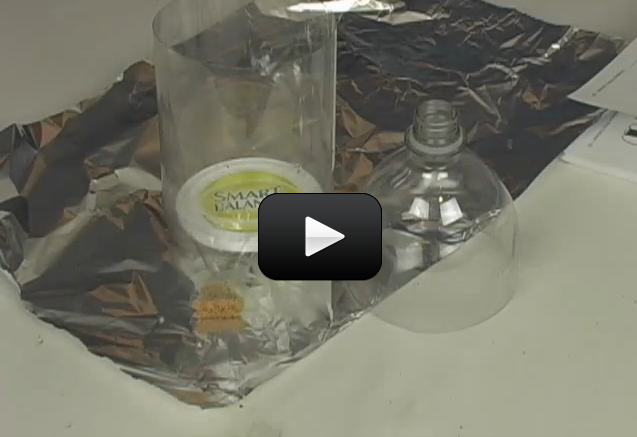
The way animals and plants behave is so complicated because it not only depends on climate, water availability, competition for resources, nutrients available, and disease presence but also having the patience and ability to study them close-up.
We’re going to build an eco-system where you’ll farm prey stock for the predators so you’ll be able to view their behavior. You’ll also get a chance to watch both of them feed, hatch, molt, and more! You’ll observe closely the two different organisms and learn all about the way they live, eat, and are eaten.
Please login or register to read the rest of this content.
A praying mantis can usually stay in a well-ventilated 2-liter bottle terrarium for days to weeks, and possibly longer if the enclosure is tall enough for it to molt safely. The most important thing is that the container should be at least about 3 times the mantis’s body length tall and 2 times its body length wide, with good airflow and branches or mesh to hang from. They also need live insects for food, a light mist of water occasionally for drinking/humidity, no standing water, and enough vertical space to hang upside down during molting. If the mantis is getting large, the bottle will eventually become too cramped, especially because mantises need extra space below them when they shed their exoskeleton. So for a classroom observation, a 2-liter bottle can work well for a short period, but for keeping one for most of its life, a larger mesh or ventilated enclosure is better.
How long can the mantises live inside the predator prey column?